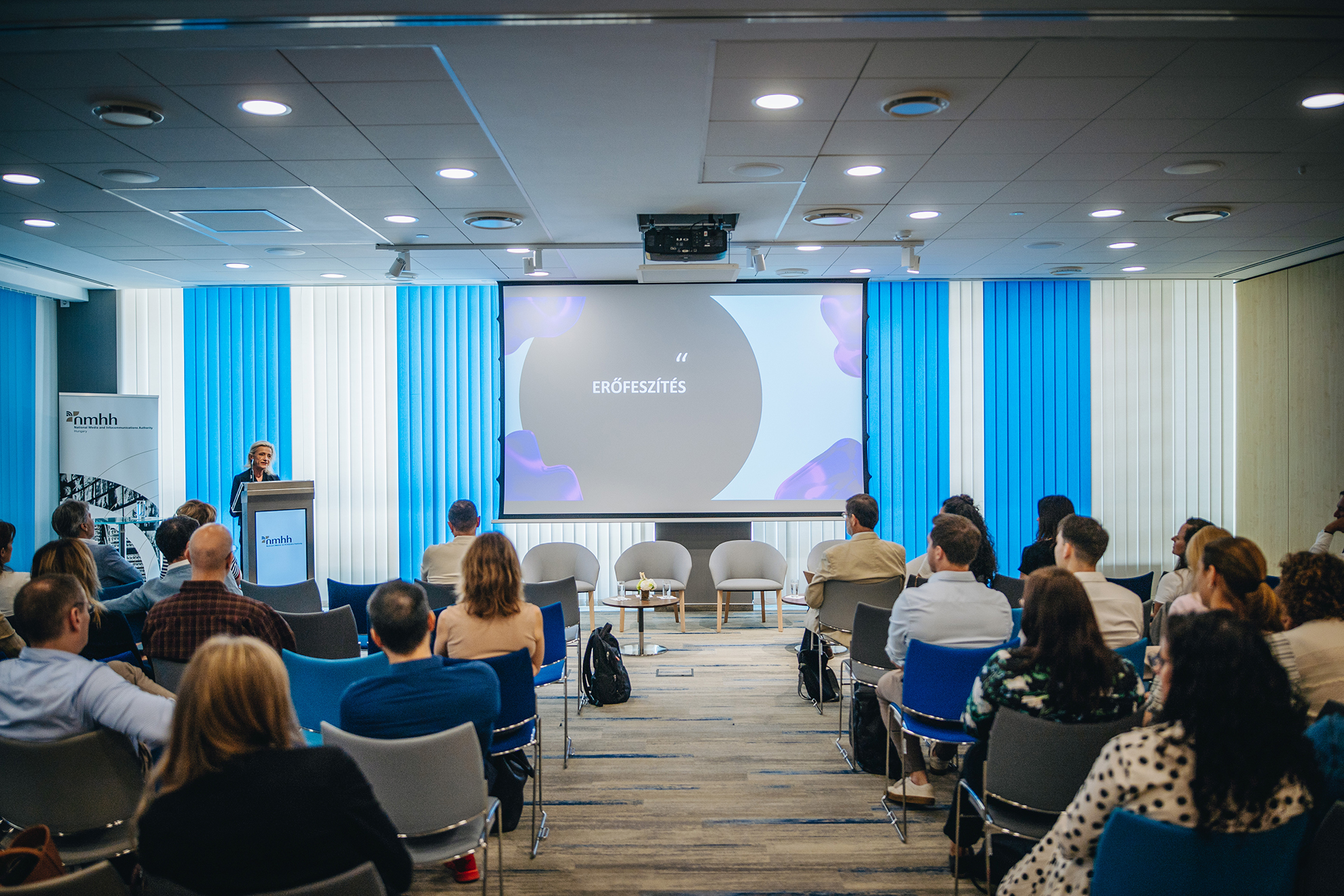
Consumer confidence, sustainability, responsible advertising in focus at this year’s ÖRT Mini-Conference
On 2 June, the Self-Regulatory Advertising Board (ÖRT), in partnership with the Research Institute for the Integrity of Creation of Pázmány Péter Catholic University and with the support of the NMHH, held this year’s ÖRT Mini-Conference with a focus on the current challenges in responsible advertising. The professional event brought together national and international speakers, academics and advertising professionals to explore how consumer confidence in advertising can be maintained in an era of sustainability, technological and social changes.
One of the key questions of the conference revolved around the role of advertising in today’s society. Advertising not only informs us about products and services, but also influences how we get information, what values we identify with, what we buy, how much we consume and how we relate to the issue of sustainability. Responsible advertising is therefore simultaneously an economic, social and ethical issue that requires the cooperation of the professionals, academics and institutions in the public interest.
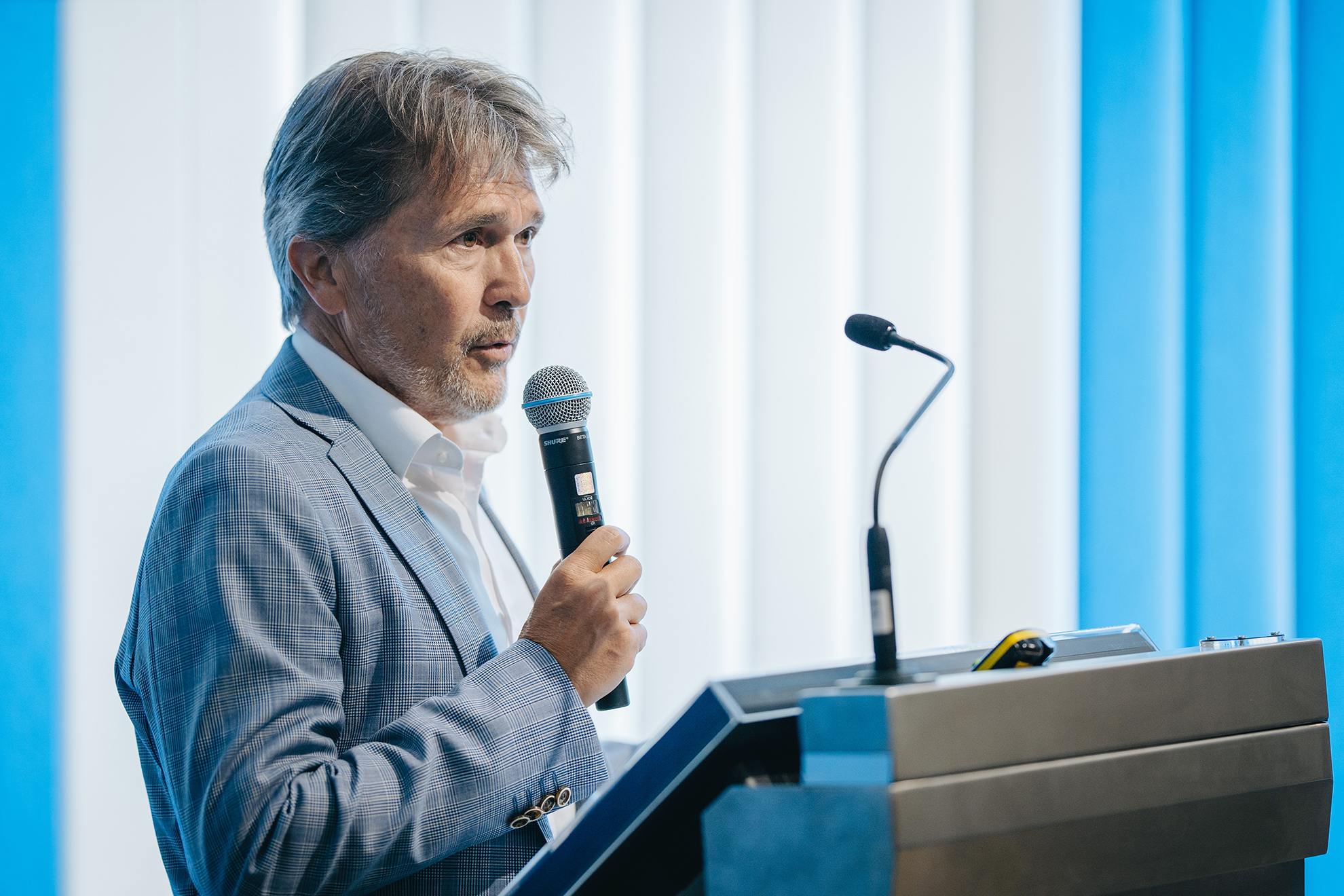
Zsolt László Szabó, Director of Media Market Cooperation and Research at the National Media and Communications Authority
Participants were welcomed by László Zsolt Szabó, Director for Media Market Cooperation and Research of the National Media and Infocommunications Authority. In his speech, he stressed that media literacy, sustainability communication and responsible advertising are topical issues where professional dialogue is needed. Such events contribute to raising awareness of the media market situation and regulation and consumer protection and to a more consistent understanding of market practices.
The professional programme of the conference kicked off with a video message from Stephan Loerke, CEO of the World Federation of Advertisers (WFA). In his speech, he talked about the future of responsible advertising and the social responsibility of the advertising industry, stressing that the expectations about advertising are constantly evolving and therefore market players must adapt to new challenges.
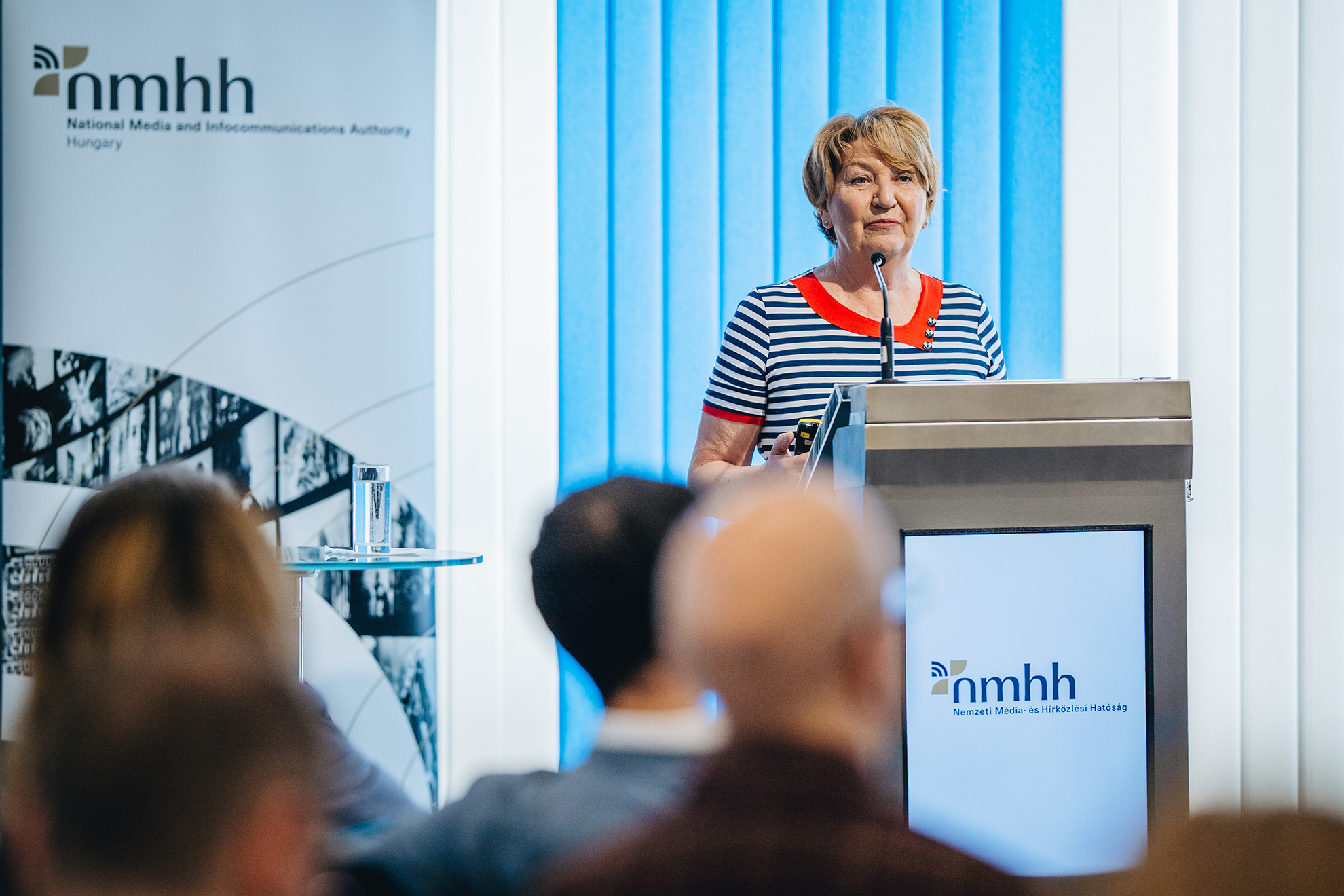
Ildikó Fazekas, Director of the Self-Regulatory Advertising Board
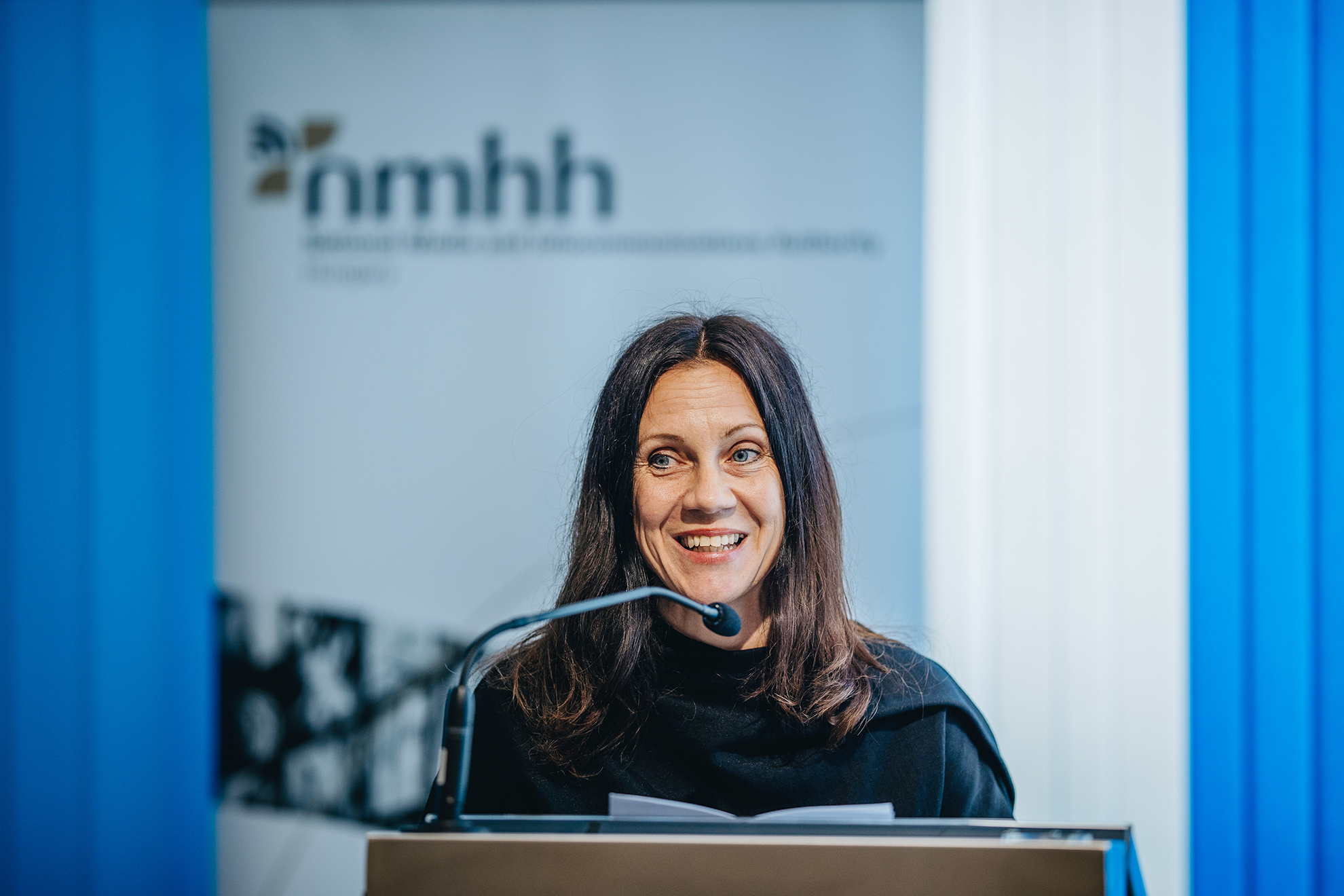
In her speech called “Alice in Wonderland”, Ildikó Fazekas, Director of ÖRT, described the practical dilemmas of responsible communication. She pointed out that consumers are trying to navigate an increasingly complex information environment, while advertisements have to meet consumer expectations, sustainability considerations, scientific findings and regulatory requirements all at the same time. One of the key messages of her presentation was that educating consumers is important, but it should not mean shifting corporate responsibility to them, and that maintaining trust in advertising remains key.
The scientific perspective was represented by Dr. János Zlinszky, Associate Professor at Pázmány Péter Catholic University. She spoke about the social limits of the sustainability shift and the role of advertising. She pointed out that the sustainability transition is not merely a technological or environmental issue as it also requires rethinking consumption patterns, needs and economic functioning. She stressed that advertising plays an important role in separating real needs from ever-increasing consumer demands and therefore the responsibility of advertising in the sustainability transition is also not negligible.
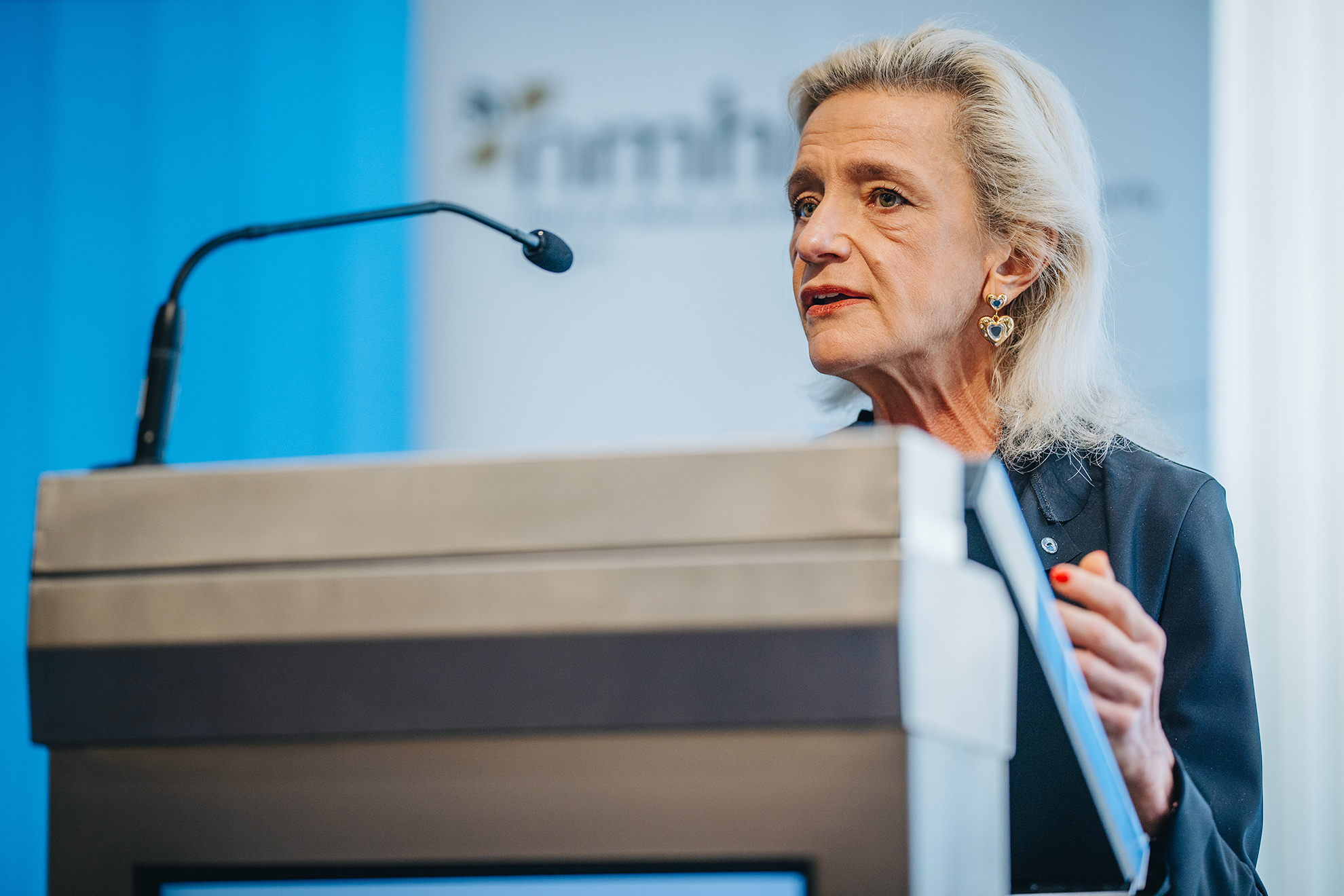
Petra Aczél, Head of Research at the Institute of Media Studies
Professor and communication researcher Dr. Petra Aczél analysed the relationship between world views and mental sustainability in advertising. In her presentation, she pointed out that advertisements not only present products, but also influence the way we see the world, our values and our ideas about ourselves.
Anikó Fenyvesi, Senior Researcher at the Research Institute for the Integrity of Creation of Pázmány Péter Catholic University, presented how the responsibility of advertising messages can be measured and evaluated using scientific methods and what research tools are available to study the social impact of advertising.
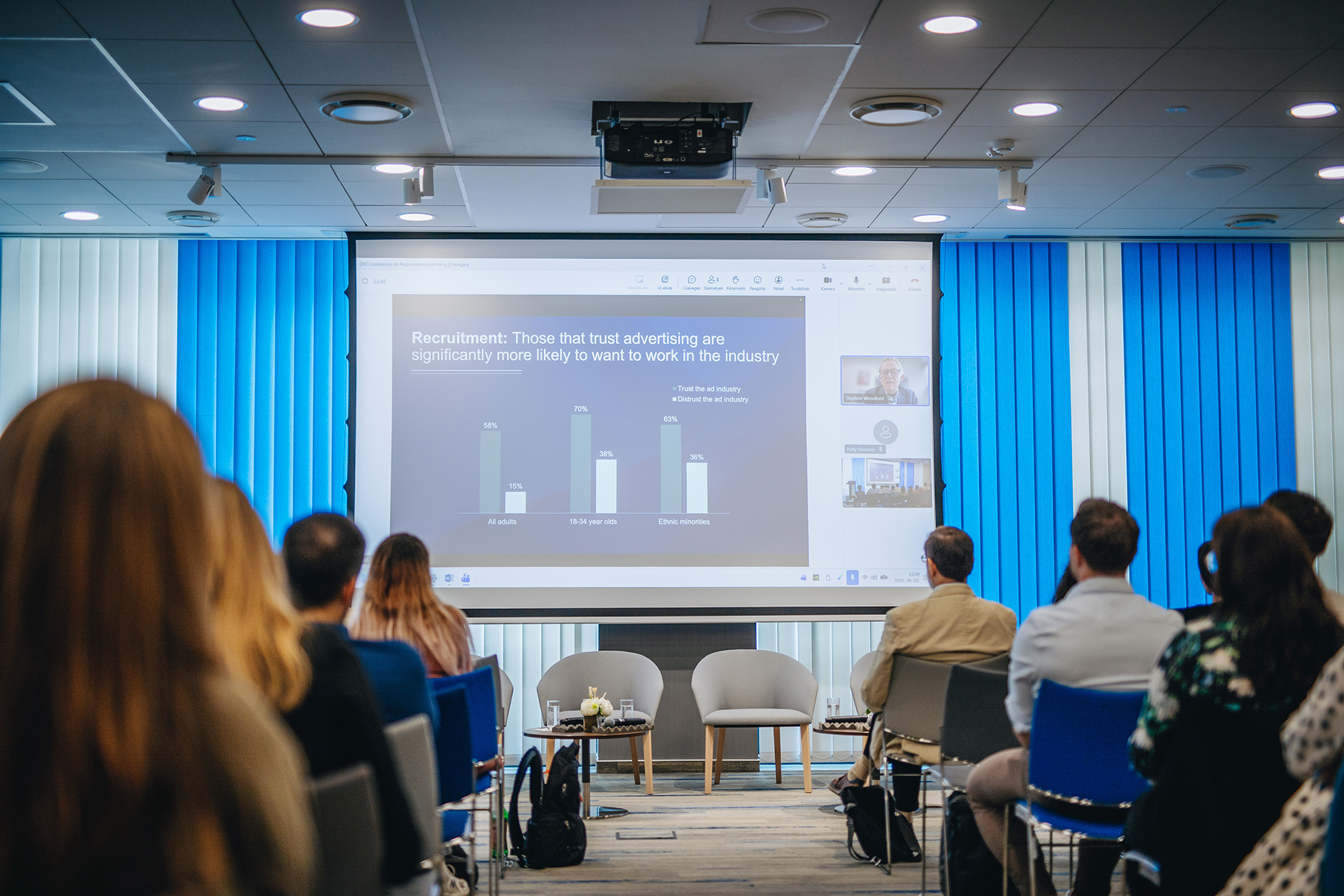
In his online speech, Stephen Woodford, CEO of the Advertising Association UK, highlighted the importance of consumer confidence. Based on the findings of research on the evolution of public trust in advertising, he highlighted that trust is one of the most important resources of the advertising industry. In his speech, he stressed that trust not only influences the effectiveness of advertising and the business performance of brands, but also has a direct impact on the regulatory environment and the social perception of the industry. The informative, educational and social role of advertising is therefore key to maintaining consumer confidence.
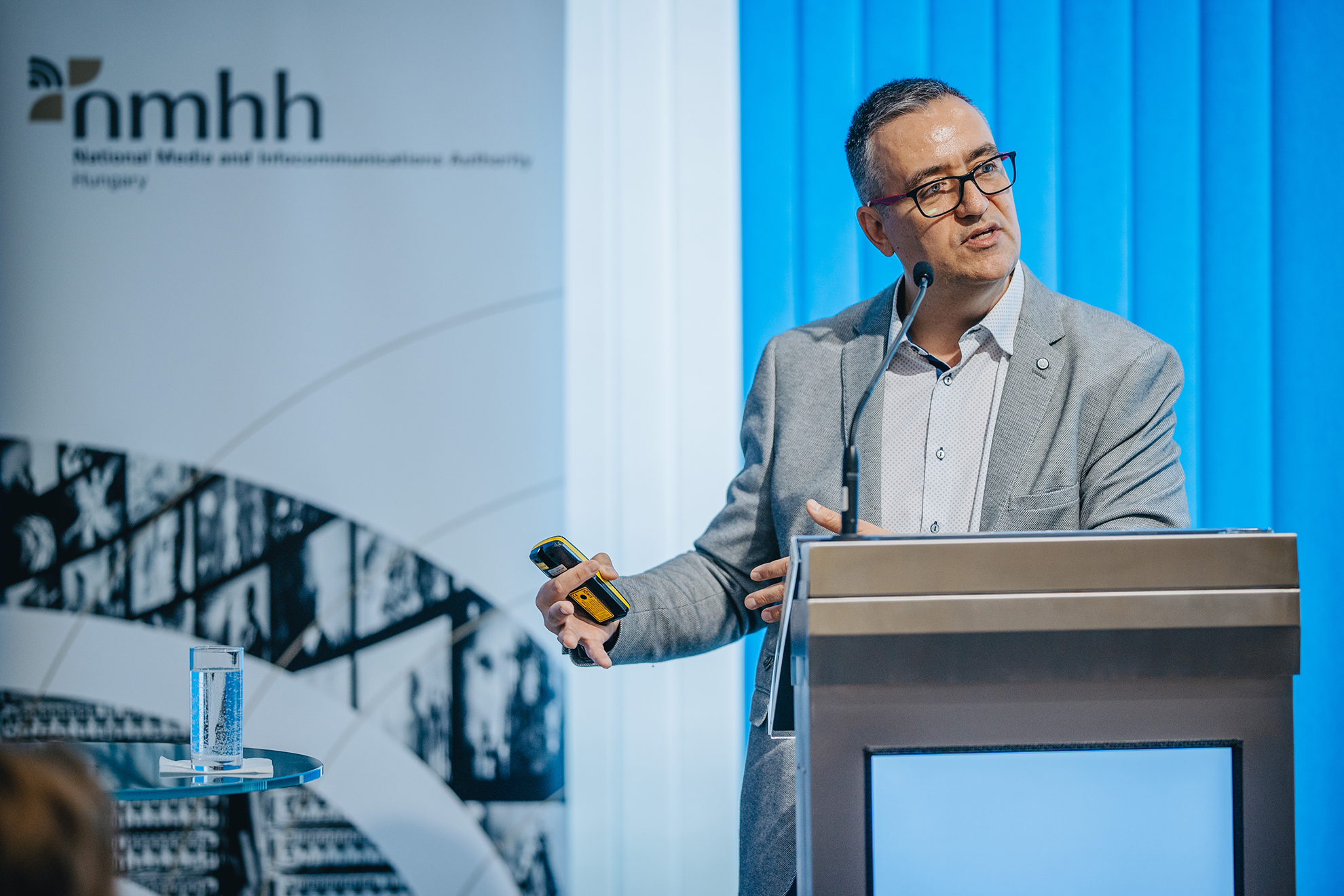
In his speech called “The illusion of control in the attention economy”, László Mező, Vice-President of the ÖRT, explored who and to what extent can be held responsible for the effects of advertising in the digital media environment. His speech stressed the issue of responsible advertising can no longer be separated from platforms, algorithms and the competition for attention.
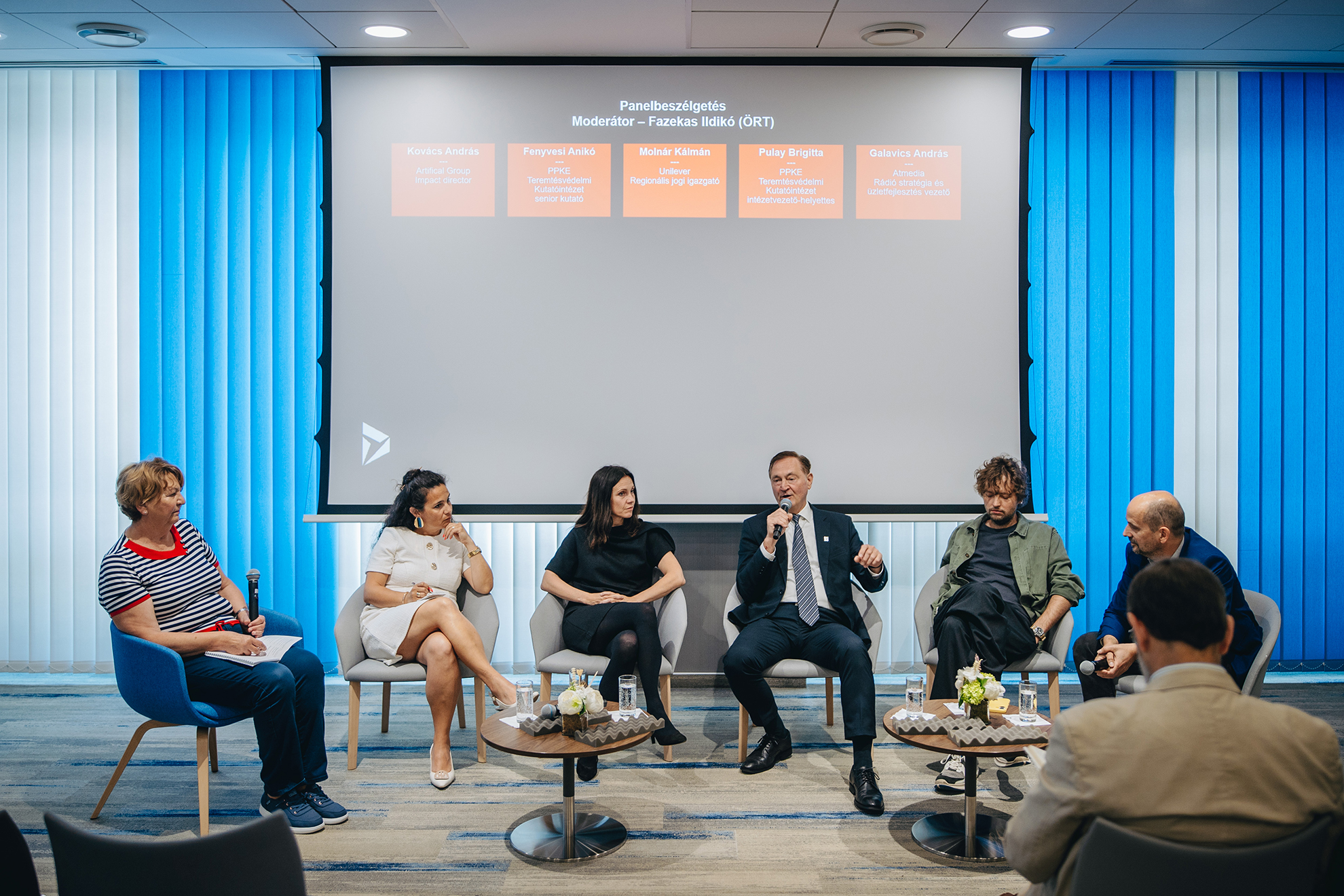
One of the highlights of the professional programme was the panel discussion moderated by Ildikó Fazekas. The panel brought together Dr. Brigitta Pulay and Anikó Fenyvesi, representatives of the PPKE Research Institute for the Integrity of Creation, Dr. Kálmán Molnár, Regional General Counsel at Unilever, Péter András Kovács, Impact Director at Artificial Group, and András Galavics, Head of Strategy and Business Development at Atmedia Radio. Participants discussed the role of advertising in society, the importance of responsible advertising and the future of consumer confidence by contrasting different perspectives from science, research and advertising.
“It is important for the ÖRT to have a broad professional debate on challenges related to advertising content issues and ensure that there are opportunities to present, expand on and discuss different individual perspectives. We are convinced that the only way to move forward on issues concerning the future of advertising is through an open professional dialogue and that is what this conference, with 90 professionals registering, was all about”, said Zsolt Gerendi, Secretary General of the ÖRT.
The ÖRT Mini-Conference on 2 June confirmed the growing importance of the issues of responsible advertising and consumer confidence in advertisements. While social, technological and sustainability expectations about advertising are constantly evolving, any response to them can only be developed through joint reflection. Professionals, academics and social researchers must work together to find solutions to ensure the long-term credibility of advertising, social acceptance and consumer confidence.
 Fenyvesi Anikó
 Gerendi Zsolt
 Kerekasztal - Galavics András beszél
 Kerekasztal - Kovács András Péter beszél
 Kerekasztal - Molnár Kálmán beszél
 Kerekasztal - Pulay Brigitta beszél
 Mező László
 Stephan Loerke
 Stephen Woodford
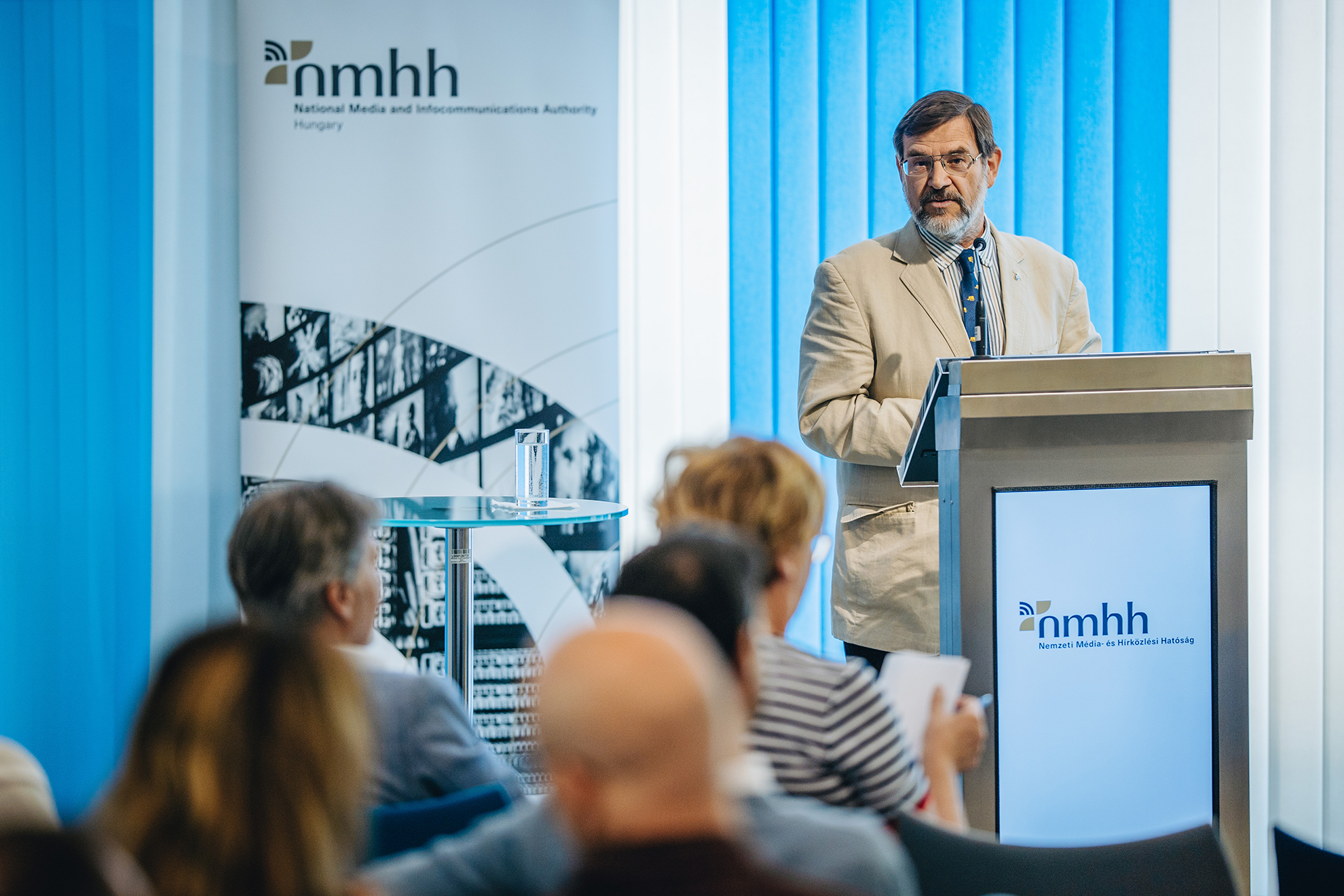 Zlinszky János