
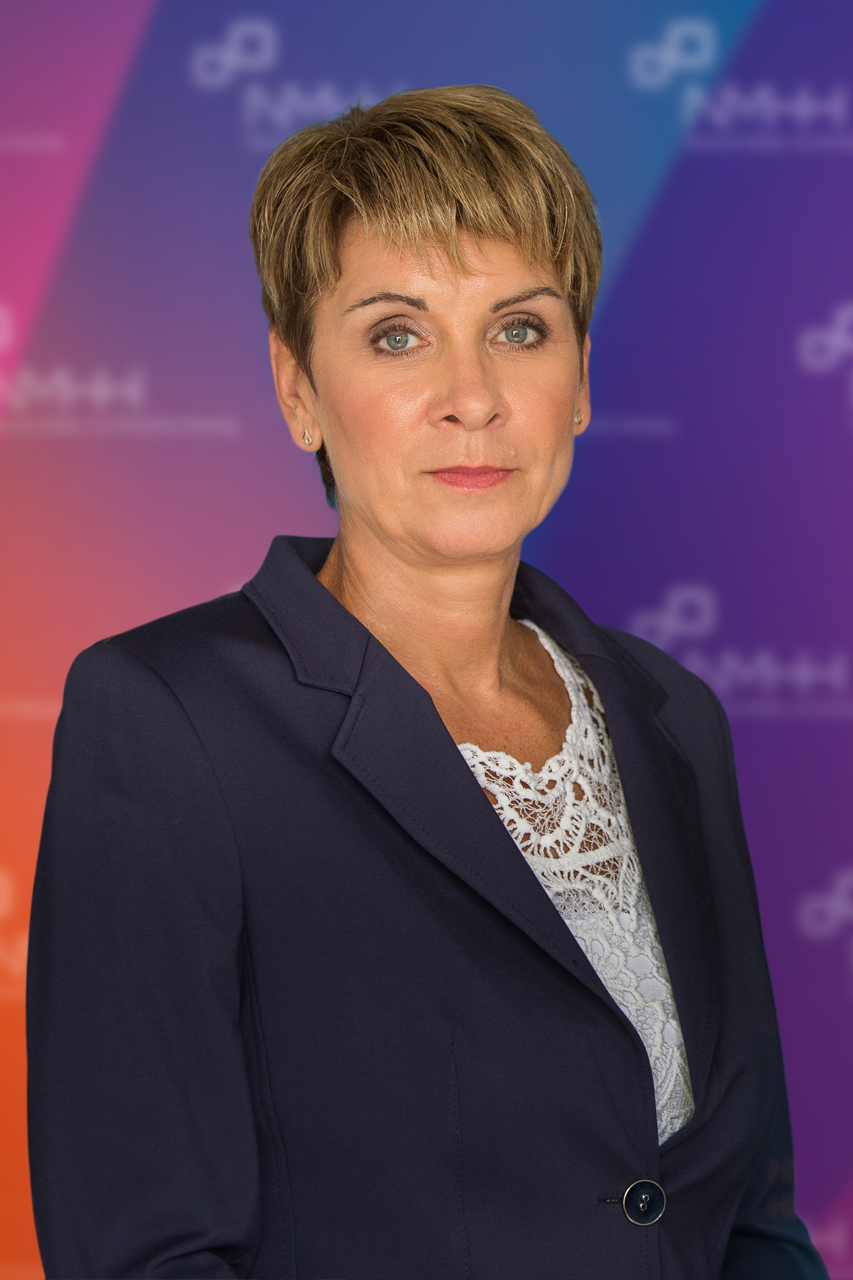
Executive officers of the NMHH
Executive officers of the NMHH
What is the NMHH, and why was it created?
The National Media and Infocommunications Authority (NMHH) was set up in 2010 with the aim of unifying the previously separate supervisory powers over media and infocommunications. It is therefore both a media supervision and an infocommunications authority, and since 2024, the scope of its responsibilities has included:
- electronic communications,
- trust services,
- electronic advertising,
- postal services,
- media and media content services, and
- the supervision of online intermediary services regulated at the EU level, including online platform services.
The NMHH aims to ensure market competition and freedom of service provision in infocommunications and the media, but it also has the self-evident mission and task to protect the fundamental rights and interests of consumers and the public, to promote digital development, and to guarantee the freest and broadest possible access to essential information.
The NMHH is an independent regulatory body with a special legal status. It is authorised by law to carry out its tasks independently of the government, both organisationally and operationally. Its supervisory body is the Hungarian Parliament. Its president is empowered to create laws (decrees) on their own initiative, within their powers; however, this applies only to infocommunications, with no such powers in the field of media. The NMHH is only bound by the laws in its decision-making capacity; it is not subject to instructions.
It has an autonomous body endowed with broad powers in the field of media: the Media Council. Since 1996, media supervision in Hungary has been the responsibility of a body elected by a two-thirds majority of Parliament. Previously, it was called the National Radio and Television Commission; since 2010, it has been known as the Media Council.
The Media Council is primarily responsible for the allocation of media service provision rights, licensing, and supervision of the media market, media content and media service providers. It is the body responsible for making the most important decisions. For its work, it also receives professional assistance from the Office of the NMHH, under the Media Act. The Authority reports annually to Parliament on its activities.
Legislative framework
The NMHH’s activities are based on several so-called framework laws. These define its remit, responsibilities and operational framework.
- Act LXXXII of 2010 Amending Certain Laws Regulating the Media and Telecommunications
- Act CIV of 2010 on the Freedom of the Press and the Fundamental Rules for Media Content (Smtv.)
- Act CLXXXV of 2010 on Media Services and Mass Media (Media Act, Mttv.)
- Act C of 2023 on Hungarian Architecture (Architecture Act, Eht.)
- Act XLVIII of 2008 on Essential Conditions of and Certain Limitations to Business Advertising Activity (Grt.)
- Act CVIII of 2001 on Certain Issues of Electronic Commercial Services and Information Society-related Services (Ekertv.)
- Act CIII of 2023 on the Digital State and Certain Rules for the Provision of Digital Services (Dáptv.)
- Act CIV of 2023 on Certain Rules regarding Online Intermediary Services (Iszt.)