
NMHH Institute for Media Studies holds conference on press regulation during the Kádár Era and the first Hungarian Media Act
For the fourth time, the Institute for Media Studies (MTMI) of the National Media and Infocommunications Authority (NMHH) presented its research into publicity during the Kádár Era at a scientific conference. Held on the occasion of the 40th anniversary of the entry into force of the 1986 Press Act and the 30th anniversary of the 1996 Media Act, the symposium offered a historical perspective on media regulation practices in the last decade of the Kádár Era and the first decade following the regime change, including the shortcomings and novel elements in the Acts under review.
“Five years ago, a research series on media history of the Kádár Era was launched on the basis of the realisation that the exploration of the network of connections to the Party State that permeated the media of that era would help understand the history of the media after the regime change”, said Levente Nyakas, Head of Department at MTMI, in his opening speech. He added that experts at the NMHH are creating a scientific workshop that, in addition to sharing research results, also aims at identifying and structuring sources and making them researchable.

András Koltay, President of the NMHH
“The impact of both Acts addressed at the conference is still felt today and therefore it is important to understand and analyse them”, András Koltay, the President of the NMHH and the Media Council, pointed out at the event. He recalled the legislation process for the 1996 Media Act, noting that freedom of the press has more to it than legal conditions; establishing it would have required additional elements that were not or only partially available in Hungary at the time of the regime change. The head of the media authority added that some of these conditions, such as media outlets that are independent of economic and political actors and have a sound economic basis, and an audience establishing such basis by willing to pay for quality media, are still missing.
Addressing to the current legislation of freedom of the press, the President of the NMHH said that it follows Western models and is in line with European traditions in Hungary. As András Koltay said, if we scientifically project certain conceptual elements of freedom of the press onto the Western world, and then look at how they are regulated within the Hungarian legal system, we can be basically satisfied. The head of the media authority stressed that freedom of the press today is not lacking in legal instruments, but rather the culture of this freedom being a common cause, duty and responsibility of all of us. He added that this will require sacrifices from lawyers, journalists, politicians and the public, particularly in an era when global online content services threaten the long-term survival of national media.
Mihály T. Révész gave a presentation on the attempts of the socialist regime to regulate the press before 1986. The honorary professor at Széchenyi István University said that state power at that time expected the press to educate, argue and bring readers closer to the ideology of socialism. He added that the resulting legislative intention to restrict freedom of the press would have attracted serious international criticism, and therefore it was characteristic of the era that the functioning of the press was regulated in Decrees instead.
Károly Szadai, a member of the Media Council, presented the political background of the 1986 Press Act. The expert pointed out that, despite lengthy preparatory work, that legislation ultimately sought to preserve an outdated media landscape by failing to remove the practical influence of the state party on press governance. He added that the first and also last socialist Press Act was unable to bring about any meaningful change and was soon rendered obsolete by history, after being essentially repealed by a 1989 constitutional amendment.
Attila Horváth, a constitutional judge, gave a presentation on the state of the press and its shortcomings at the time of the regime change. The Head of the Department of the History of Hungarian State and Law at the Ludovika University of Public Service also recalled the issue of privatisation of newspapers formerly owned by the State Party through the Hungarian Socialist Party (MSZP). Attila Horváth reminded that the Party sold the county and national newspapers that were transferred to the MSZP by legal succession to different investors on the condition that they would keep the former editorial offices loyal to the Socialists.
The Head of the Department of Legal History at Széchenyi István University gave a presentation on codification struggles in the initial years following the regime change. Attila Barna recalled that during this period, press regulation received special focus in Hungarian public discourse compared to other important codification issues. The Head of Department pointed out that although the 1992 bill was ultimately not adopted by members of parliament, the intellectual efforts that went into it laid the foundations for later media regulation in many respects.
Other speakers at the conference included Vince Paál from the NMHH Institute of Media Studies who gave a summary the history of Hungarian Press Acts from 1848 to 1986. Róbert Takács, a research fellow at the Institute of Political History, shone light on the Hungarian and international context and reception of the 1986 Press Act, while Gábor Sz. Nagy from the NMHH Institute of Media Studies spoke about the media coverage of the Act. Finally, Róbert Jónás, PhD student at the Faculty of Humanities and Social Sciences of Pázmány Péter Catholic University, reported on official and alternative publicity received by the Press Act under review.
Watch the free-to-use video below for the highlights of the conference.
-
 Nyakas Levente, a Médiatudományi Intézet osztályvezetője
-
 Koltay András, az NMHH elnöke
-
 Koltay András, az NMHH elnöke
-
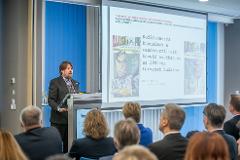 Barna Attila, a Széchenyi István Egyetem Jogtörténeti Tanszékének vezetője
-
 Barna Attila, a Széchenyi István Egyetem Jogtörténeti Tanszékének vezetője
-
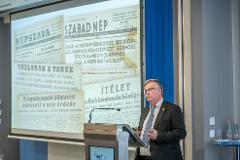 Horváth Attila alkotmánybíró, a Nemzeti Közszolgálati Egyetem Magyar Állam- és Jogtörténeti Tanszékének vezetője
-
 Paál Vince, az NMHH Médiatudományi Intézetének munkatársa
-
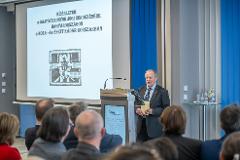 Révész T. Mihály, a Széchenyi István Egyetem címzetes egyetemi tanára
-
 Szadai Károly, a Médiatanács tagja
-
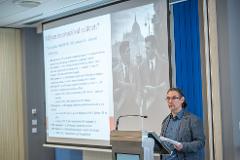 Takács Róbert, a Politikatörténeti Intézet tudományos munkatársa
-
 Sz. Nagy Gábor, az NMHH Médiatudományi Intézetének munkatársa
-
 Jónás Róbert, a Pázmány Péter Katolikus Egyetem Bölcsészet- és Társadalomtudományi Karának doktorandusza
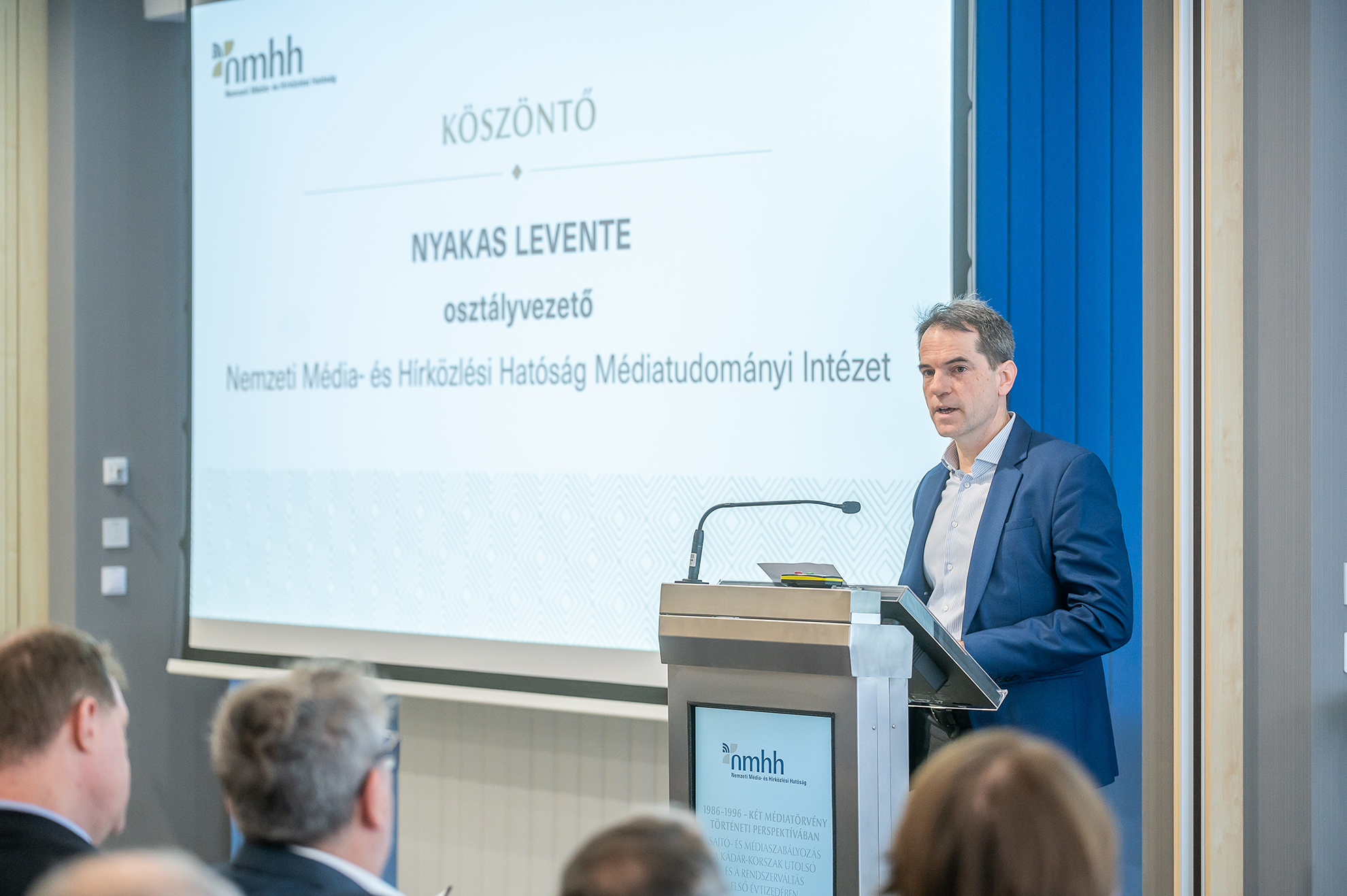 Nyakas Levente, a Médiatudományi Intézet osztályvezetője
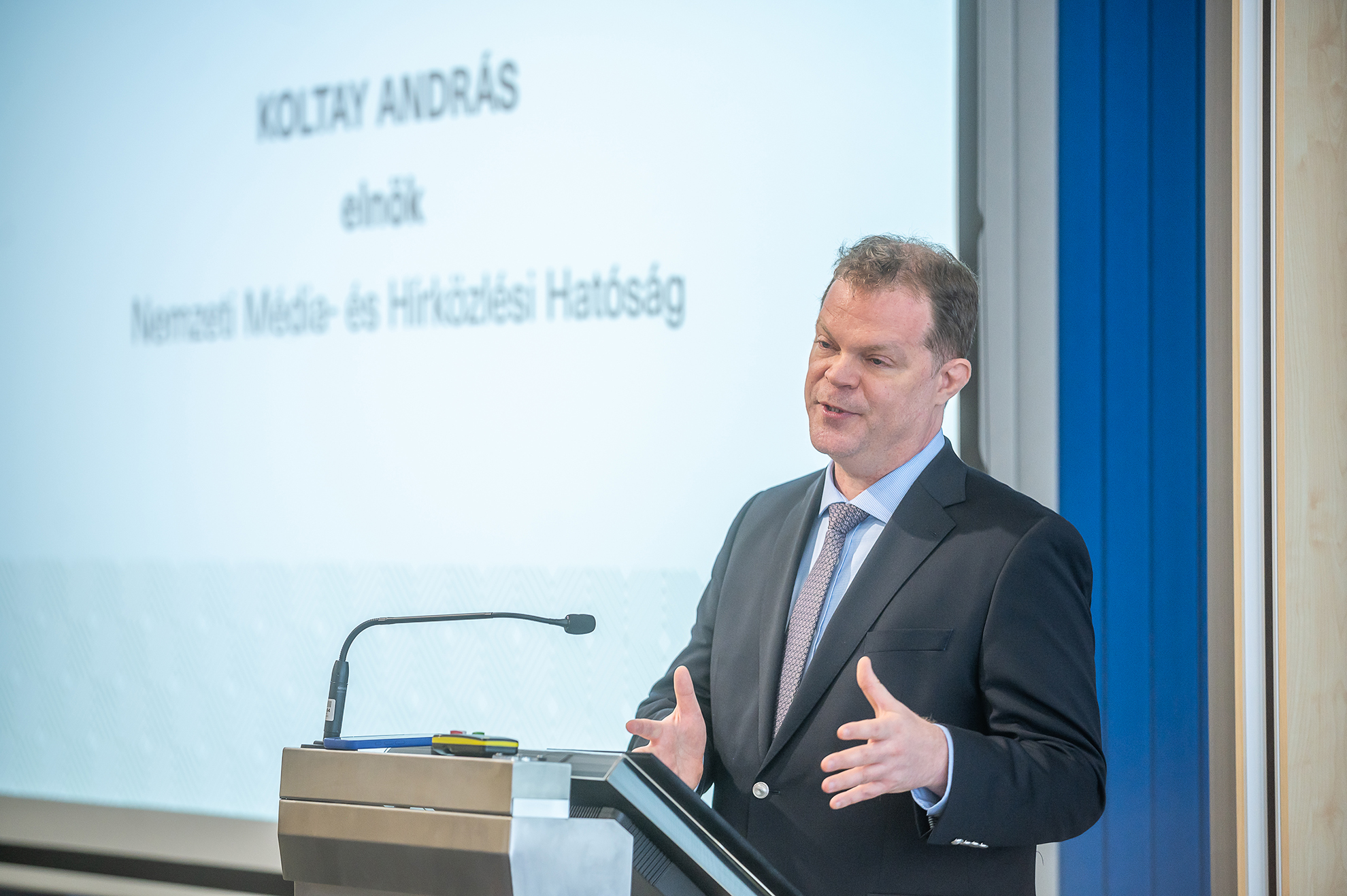 Koltay András, az NMHH elnöke
 Barna Attila, a Széchenyi István Egyetem Jogtörténeti Tanszékének vezetője
 Barna Attila, a Széchenyi István Egyetem Jogtörténeti Tanszékének vezetője
 Horváth Attila alkotmánybíró, a Nemzeti Közszolgálati Egyetem Magyar Állam- és Jogtörténeti Tanszékének vezetője
 Paál Vince, az NMHH Médiatudományi Intézetének munkatársa
 Révész T. Mihály, a Széchenyi István Egyetem címzetes egyetemi tanára
 Szadai Károly, a Médiatanács tagja
 Takács Róbert, a Politikatörténeti Intézet tudományos munkatársa
 Sz. Nagy Gábor, az NMHH Médiatudományi Intézetének munkatársa
 Jónás Róbert, a Pázmány Péter Katolikus Egyetem Bölcsészet- és Társadalomtudományi Karának doktorandusza