
Online abuse still mostly committed against children in 2025
The NMHH Legal Aid Service, the Internet Hotline, has published its report on the year 2025
Online child sexual abuse, unauthorised content publication and online financial fraud. These were at the top of the list of cases handled by the National Media and Infocommunications Authority's (NMHH) legal advisory service, the Internet Hotline (IH), last year, as shown by its annual report. Celebrating its fifteenth anniversary, the IH is increasingly trusted by both parents and children. Over its fifteen years of existence, the IH has handled more than 21,000 reports, helping to make the online space safer.
Nearly 80% of the 2,575 reports received by the Hotline in 2025 required action. Increasing trust in its services is reflected in the fact that 62% of the reports were not anonymous.
Compared to previous years, the proportion of children and parents among person submitting reports has increased dramatically, indicating both greater awareness and openness to seeking help, with 125 children and 81 parents contacting the legal advisory service last year. Almost half of the reports from children and a third of the reports from parents were related to online child sexual abuse.
Child sexual abuse
Nearly half of the reports from children and one-third of the reports from parents were related to online sexual abuse of children.
Online child sexual abuse has been the most reported category since 2019, with the legal advisory service handling a total of 9,087 such reports since its inception in 2011. As in previous years, the highest number of reports received by the IH, representing 32% of all reports, fell into this category last year. Experts at the IH examined 1,193 links related to 831 reports in 2025, almost twice as many as a year earlier.
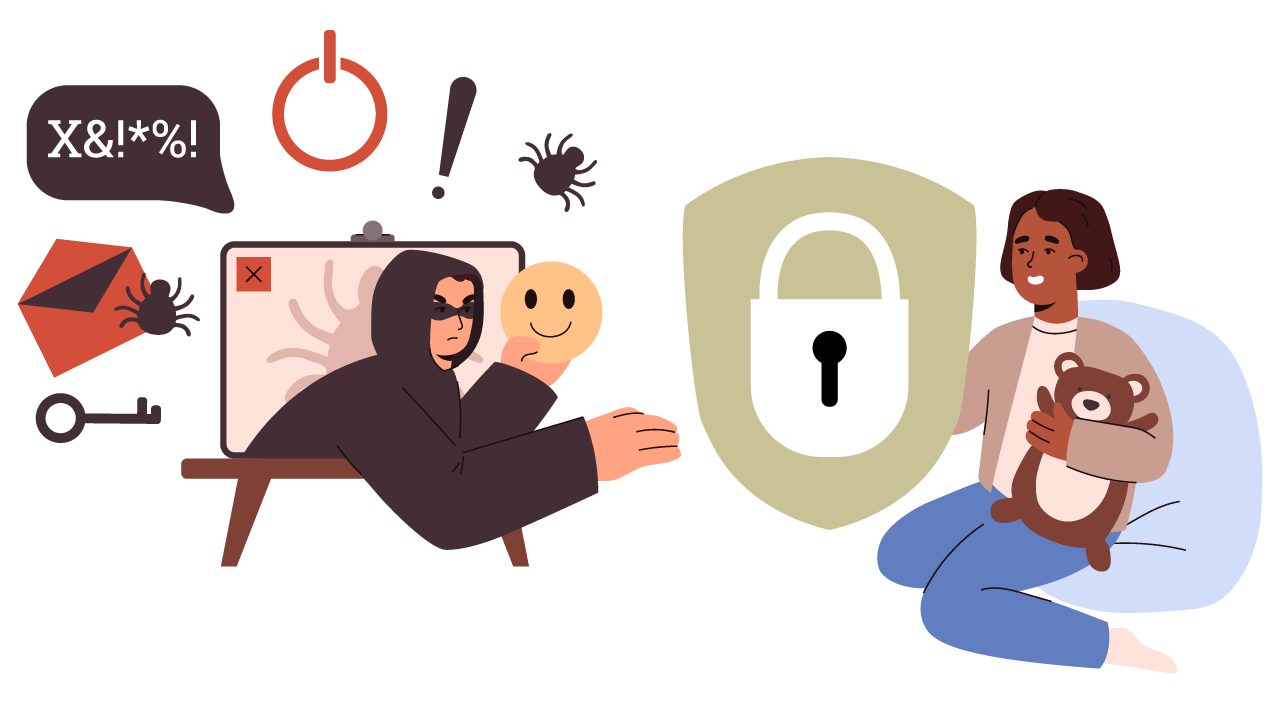
53% of the reported links were to content suspected to be child pornography. The majority of cases (61%) concerned children under 13, mainly girls (78%), but there was also an increase in the number of victims who were boys. Recordings are typically made in a home environment, making prevention difficult.
An increasing number of reports are related to social media platforms, with 75% of them involving Telegram in 2025. The content examined by the IH was predominantly made available on servers in the Netherlands, the US, Russia and Vietnam.
Offenders still do not typically use Hungarian hosting sites, as there were 65 cases last year where hotlines around the world identified content hosted in Hungary.
Unauthorised content
The number of reports received in the category of unauthorised content publication has doubled compared to 2024, accounting for 18% of all reports. 82% of these cases required action. Within this category, the abuse of intimate images of adults remains a major problem, with IH analysts identifying 159 such cases in 2025.
Phishing
The number of phishing cases reached a new peak in 2025, with 428 reports falling within this category (17% of all reports). A substantial number of reports (99) concerned fake online stores operated with the aim of deceiving users and obtaining their personal or financial information.
Reliability, credibility, shaping public opinion
In 2025, the IH acted as a trusted flagger under the Digital Services Act (DSA) in 828 cases. The vast majority of procedures were successful and concluded within a short time: service providers took action after being notified by the IH in 688 cases and responded to the legal assistance service’s request within 1-3 days in 55% of cases.
The IH’s activities go beyond handling reports, as it also has a key role in raising awareness of online safety. IH employees reached approximately 5,500 people directly in 2025, with around 60 lectures, professional events and awareness-raising programmes.
In its 15 years of operation, the Internet Hotline has become an established and recognised player in the fight against online abuse, particularly in the field of digital child protection. The figures clearly show that more and more people are aware of the service and are turning to the legal advisory service for help with increasing confidence. This is a key factor in creating a safer digital environment for both children and adults.